
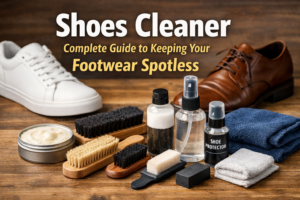
The Ultimate Guide to Clean, Fresh, and Long-Lasting Footwear
Shoes are more than just something we wear on our feet. They protect us, support us, and often reflect our personality and lifestyle. From white sneakers to leather boots and athletic shoes, every pair goes through daily exposure to dust, moisture, sweat, and stains. This is where a shoe cleaner becomes essential. Without proper cleaning, even the most expensive shoes can quickly look old, smell unpleasant, and lose their original shape.
Using the right shoes not only improves appearance but also extends the life of your footwear. Many people rely on water alone or harsh detergents, which can actually damage materials over time. A dedicated shoe is designed to remove dirt gently while preserving texture, color, and structure. In this detailed guide, you’ll learn everything about shoes how they work, and how to use them correctly for different shoe types.
Why a Shoes Is Important for Footwear Care
Shoes face constant wear and tear. Dust sticks to soles, stains settle into fabric, and bacteria grow inside due to sweat. Over time, this buildup causes discoloration, cracking, bad odor, and even health issues such as fungal infections. A quality shoes helps eliminate these problems at the root.
Unlike ordinary soap, a shoes is formulated to target specific shoe materials. Whether your shoes are made of leather, suede, canvas, mesh, or synthetic fabric, the cleaner works without stripping away natural oils or weakening fibers. This means your shoes remain comfortable, flexible, and visually appealing for a much longer time.
Another important benefit is hygiene. Fins Beach Oman 2026 Regular cleaning removes odor-causing bacteria and keeps shoes fresh. This is especially important for sports shoes, work boots, and everyday sneakers that are worn for long hours.
How Shoes Cleaner Works on Different Materials
Not all shoes are created equal, and the same cleaning method cannot be used for every pair. A good shoes adapts to various materials and cleans deeply without causing damage.
Shoes Cleaner for Leather Shoes
Leather shoes require special care because leather is a natural material. A leather-friendly shoes removes surface dirt while maintaining moisture balance. It prevents cracking, dullness, and stiffness. Regular cleaning also prepares leather shoes for conditioning, which further enhances their lifespan.
Shoes for Suede and Nubuck
Suede and nubuck are delicate and easily damaged by water. A specialized shoes for suede lifts dirt without soaking the material. It helps maintain the soft texture and original color while avoiding water stains.
Shoes for Sneakers and Canvas Shoes
Sneakers and canvas shoes often collect visible stains, especially on white surfaces. A foaming shoes penetrates fabric fibers to break down dirt and restore brightness. This is ideal for casual footwear that needs frequent cleaning.
Shoes for Sports and Running Shoes
Sports shoes trap sweat and bacteria inside. A deep-cleaning shoes removes odor, grime, and bacteria without affecting cushioning or breathability. This helps keep feet healthy and shoes comfortable.
Types of Shoes Available in the Market
Shoes come in various forms, each designed for convenience and effectiveness. Choosing the right type depends on your shoe collection and cleaning habits.
Liquid shoes are versatile and suitable for most materials. Foam cleaners are easy to apply and ideal for sneakers and fabric shoes. Spray shoes offer quick touch-ups and are perfect for travel. Wipes provide instant cleaning for light dirt and are best for on-the-go use.
Although each type has its benefits, the key is consistency. Regular use of shoes prevents heavy dirt buildup and makes cleaning easier over time.
How to Use a Shoes Correctly
Using a shoes the right way ensures the best results without damaging your footwear. Always start by removing loose dirt using a soft brush or cloth. Apply the cleaner gently and avoid soaking the shoes unless recommended.
-
Always test the shoes small hidden area before full use
-
Use a soft brush or sponge to avoid scratching surfaces
-
Clean in circular motions to lift dirt effectively
-
Let shoes air dry naturally, away from direct heat
-
Apply protective spray after cleaning for longer protection
Common Mistakes People Make While Cleaning Shoes
Many people unknowingly damage their shoes during cleaning. One common mistake is using harsh detergents or bleach, which can weaken fabric and fade colors. Another mistake is soaking shoes completely in water, which affects glue and structure.
Using excessive force while scrubbing can also ruin delicate materials like suede and mesh. Skipping proper drying time may cause odor or mold growth. A proper shoes minimizes these risks by offering controlled and material-safe cleaning.
Benefits of Using a Dedicated Shoes
A shoes does much more than improve appearance. It protects your investment, enhances comfort, and supports foot hygiene. Clean shoes also boost confidence and make a strong impression, whether at work, social events, or casual outings.
Regular cleaning prevents permanent stains, slows material aging, and keeps shoes looking new for longer. For sneaker lovers and professionals alike, a shoes is an essential part of footwear care.
Natural vs Commercial Shoes Cleaner: Which Is Better?
Some people prefer homemade cleaning solutions using baking soda, vinegar, or mild soap. While these may work for light cleaning, they often lack consistency and can harm sensitive materials.
Commercial shoes cleaners are tested and formulated for specific shoe types. They offer balanced cleaning power and are safer for regular use. For valuable or delicate shoes, a trusted shoes cleaner is always the better option.
How Often Should You Use a Shoes Cleaner?
Cleaning frequency depends on how often you wear your shoes and in what conditions. Everyday shoes may need cleaning once every one to two weeks. Sports shoes should be cleaned more frequently due to sweat buildup.
Occasional shoes, such as formal or seasonal footwear, benefit from cleaning after each use before storage. Regular use of a shoes cleaner prevents deep stains and unpleasant odors from developing.
Storing Shoes After Cleaning
After using a shoes cleaner, proper storage is important. Ensure shoes are completely dry before storing. Use shoe trees or paper inserts to maintain shape. Store shoes in a cool, dry place away from sunlight.
Proper storage combined with regular cleaning keeps shoes looking fresh and ready to wear at any time.
(FAQs)?
1. Can I use one shoes cleaner for all types of shoes?
Some multi-purpose shoes cleaners work on various materials, but it’s always best to use material-specific cleaners for leather, suede, or sports shoes.
2. Does shoes cleaner remove bad odor completely?
Yes, a quality shoes cleaner removes odor-causing bacteria, especially when used regularly and combined with proper drying.
3. Is shoes cleaner safe for white shoes?
Most shoes cleaners are safe for white shoes and help restore brightness without yellowing when used correctly.
4. Can shoes cleaner damage shoes if used often?
No, when used as directed, a shoes cleaner protects shoes rather than damaging them. Overuse of water or harsh chemicals is what causes harm.
5. Should I dry shoes in the sun after using shoes cleaner?
It’s better to air dry shoes in shade. Direct sunlight can fade colors and weaken materials over time.
Final Thoughts
A Shoes Cleaner is not a luxury but a necessity for anyone who values their footwear. Clean shoes last longer, feel better, and look more appealing. Whether you wear sneakers daily, rely on formal shoes for work, or own specialty footwear, using the right shoes cleaner makes all the difference.
By choosing a suitable cleaner, following proper cleaning techniques, and maintaining a regular routine, you can keep your shoes looking new for years. Footwear care starts with cleanliness, and a reliable shoes cleaner is the foundation of that care.