
Salalah offers a travel experience unlike anywhere else in Arabia. Often called Oman’s perfume capital, this coastal city is renowned for its unique monsoon season, rich cultural heritage, and striking natural landscapes. From misty mountains and cascading waterfalls to ancient ruins and tranquil beaches, Salalah has something for every traveler. This guide highlights the must-see destinations and offers tips to plan your visit year-round.
Natural Wonders You Can’t Miss
Salalah’s natural scenery is its biggest attraction. The environment transforms dramatically with the seasons, shifting from arid deserts to lush green valleys during the Khareef monsoon. Waterfalls, mist-covered hills, coconut-fringed beaches, and fertile plains create a rare oasis in the Arabian Peninsula. These sites showcase the region’s ecology and biodiversity, making Salalah ideal for nature enthusiasts, photographers, and travelers seeking peace and beauty.
Wadi Darbat: A Green Escape
Wadi Darbat is a top destination for experiencing Salalah seasonal magic. During Khareef, waterfalls tumble down limestone cliffs into deep emerald pools. Visitors can stroll along well-marked paths, enjoy picnics, or take a traditional boat ride on the lake. The valley offers a refreshing retreat and is a perfect example of Salalah’s monsoon transformation.
Mughsail & Al Fizayah Beaches
Salalah’s coastline is equally captivating. Mughsail Beach is famous for its long sandy stretches and blowholes that spray seawater into the air at high tide. A short drive west lies Al Fizayah Beach, a more secluded spot with turquoise waters and dramatic cliffs, ideal for photography and quiet reflection. Both beaches are essential stops for anyone exploring Salalah’s coastal beauty.
Salalah’s Cultural Highlights
Salalah’s history as a center for the frankincense trade is visible throughout the city. Cultural landmarks provide insight into its ancient past and Omani traditions.
Al Baleed Ruins
A UNESCO World Heritage site, Al Baleed is one of Salalah’s most important historical destinations. The open-air ruins of a medieval port city include remnants of mosques, houses, and walls. Nearby, the Land of Frankincense Museum explains the region’s historical significance, enriching the visitor experience.
Frankincense Heritage Museum
This museum highlights the 5,000-year history of the frankincense trade. Exhibits demonstrate how the resin was harvested in local deserts and exported to ancient empires, showcasing Salalah’s global importance.
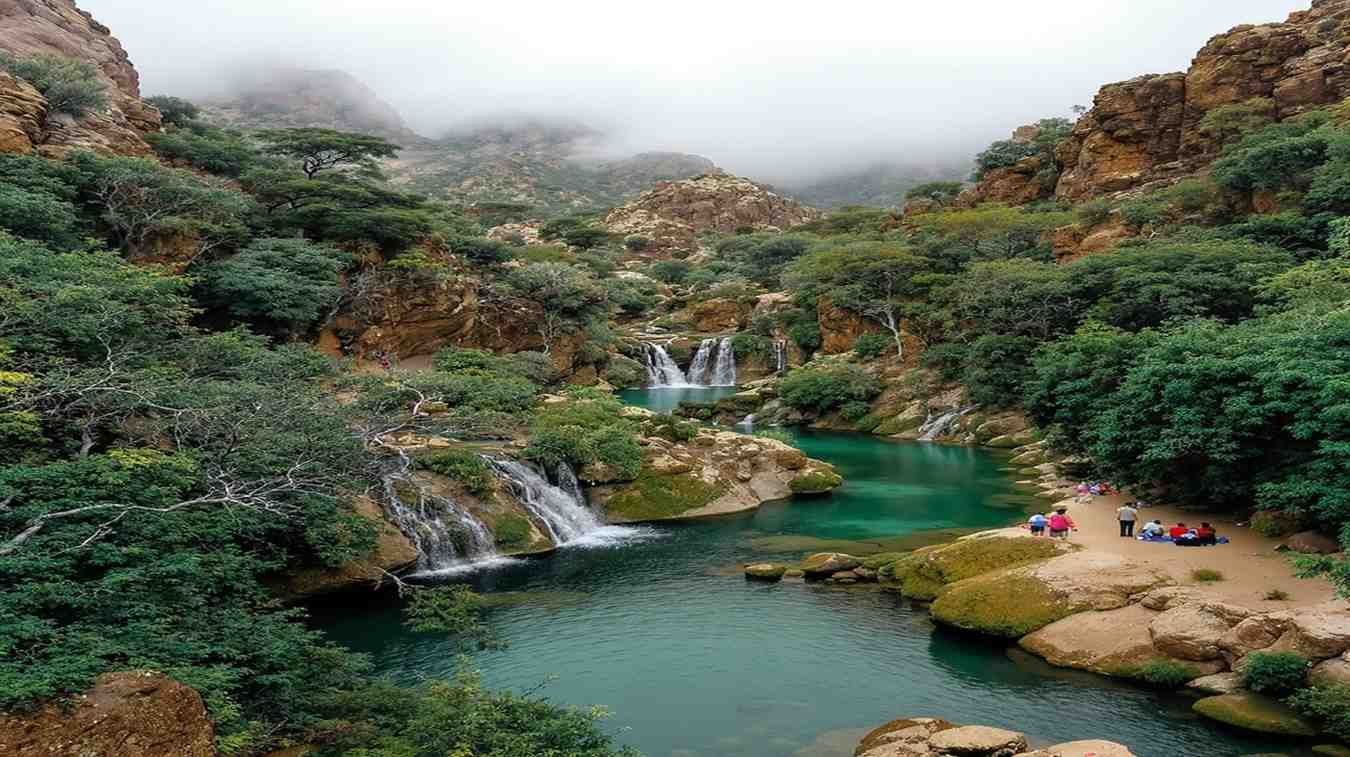
From July to September, Khareef transforms Salalah into a vibrant, green paradise. Waterfalls flow, mountains are cloaked in dense foliage, and plains and valleys bloom with flowers and coconut palms. Visiting during this season allows travelers to experience the Arabian Peninsula at its most refreshing and picturesque.
Jabal Al Qara
The Jabal Al Qara mountains are stunning during Khareef. Brown hills become covered with thick grass and morning mist. A drive up the mountains offers panoramic views of the coastal plain below, with cool, misty air creating an extraordinary escape from the usual Gulf heat.
Seasonal Waterfalls
Temporary waterfalls and streams spring to life during Khareef, particularly at Wadi Darbat and Ain Razat. Locals and tourists gather here for picnics, while roadside vendors sell snacks and local treats. Though popular, the lively atmosphere adds to the adventure of visiting these natural wonders.
Adventures for Every Traveler
Salalah offers activities for all types of travelers. Explore hidden waterfalls and misty mountains, relax on pristine beaches, or visit archaeological sites. Outdoor adventures, cultural experiences, and scenic tours make every visit memorable.
Dhow Cruises & Dolphin Watching
The Arabian Sea off Salalah is rich with marine life. Traditional wooden dhow boat tours offer dolphin-watching opportunities, with pods often swimming alongside. Some tours include snorkeling stops to explore the underwater world, making for a relaxing and exciting experience.
Rub’ al Khali Desert Adventures
For desert adventure, head to the Rub al Khali, or Empty Quarter, one of the world’s largest sand deserts. Guided 4×4 tours from Salalah allow travelers to navigate vast red dunes, try sandboarding, and visit a Bedouin camp for sunset views. This excursion highlights the region’s stunning geographical diversity.
Salalah Travel Tips
To make the most of your trip, plan your visit carefully. Khareef (July–September) is ideal for lush landscapes, while October to April offers pleasant beach and desert weather. Carry rain gear, sun protection, and comfortable footwear. Stay hydrated, respect local customs, and explore both cultural and natural attractions.
Transportation
Renting a car is the most flexible way to explore Salalah. For remote destinations like the Empty Quarter, a 4×4 vehicle is essential. Alternatively, hiring a local guide or driver ensures safe navigation through mountains and deserts.
Suggested 3-Day Itinerary
Day 1 – Natural Landscapes: Visit Wadi Darbat in the morning, then drive along the coast to Mughsail Beach and Al Fizayah Beach, ending the day at the Arabian Sea sunset.
Day 2 – Cultural Immersion: Explore Al Baleed Archaeological Park, the Land of Frankincense Museum, and the Museum of the Frankincense Land. End with shopping at Haffa Souq for frankincense, myrrh, and traditional crafts.
Day 3 – Adventure: Take a dhow cruise with dolphin watching or a desert excursion to the Rub al Khali.
Summary
Salalah is a remarkable destination that combines stunning natural landscapes, rich historical landmarks, and unique seasonal attractions. From mist-covered mountains and lush waterfalls during the Khareef monsoon to pristine beaches and ancient ruins, the region offers something for every traveler. By planning your visit according to the season and following this guide, you can explore Salalah’s diverse scenery, immerse yourself in its cultural heritage, and enjoy memorable adventures across Oman’s southern gem.
FAQs
Which places in Salalah are ideal for families?
Families will enjoy Wadi Darbat, where kids can play in open spaces and take boat rides. Beaches like Mughsail are safe for swimming, and Al Baleed Archaeological Park provides interactive and educational experiences suitable for older children. These destinations offer fun for travelers of all ages.
How many days should I plan for Salalah?
A stay of three to four days is ideal to cover the main attractions. One day can focus on natural sites like wadis and beaches, another on cultural and historical landmarks, and a third day for adventure activities such as a dhow cruise or desert trip. Longer visits allow for a more relaxed pace.
What is the best time to visit Salalah?
The best time depends on your preferences. For lush green landscapes and cooler weather, visit during the Khareef season (July–September). For warm beach weather or desert excursions, the months from October to April are preferable. Keep in mind that Khareef is very popular, so hotels book quickly.
How can I make the most of my Salalah trip?
To enjoy Salalah fully, plan around the season and prioritize your must-see destinations. Rent a car for flexibility, stay hydrated, and wear comfortable clothing and shoes. Explore both natural and cultural attractions, and consider guided tours for remote or challenging areas like the mountains or the Rub al Khali desert.